This story was made possible by our generous election coverage sponsors.
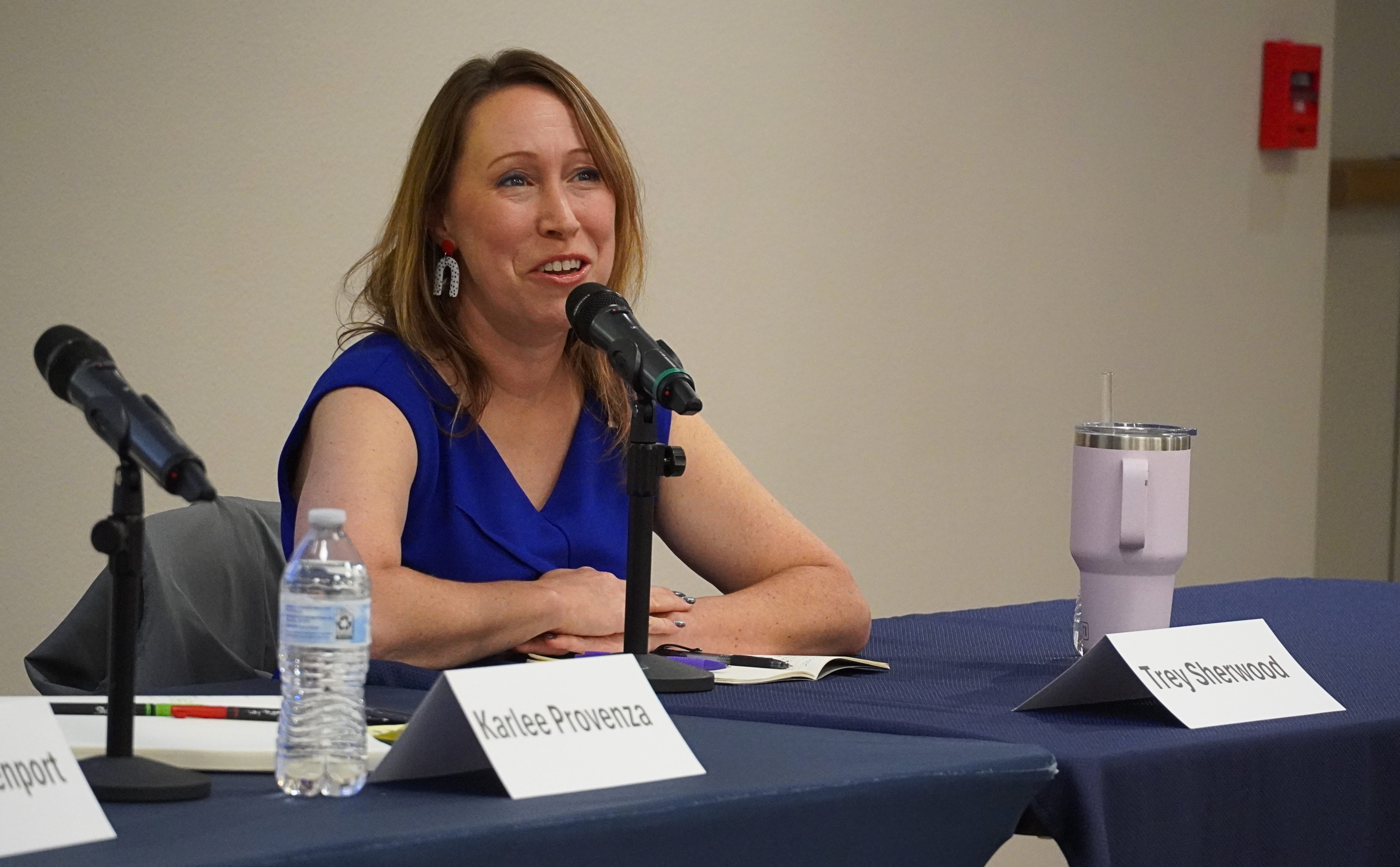
Rep. Trey Sherwood is planning to make a major push for affordable housing legislation if she wins reelection on Tuesday.
Next year’s legislature will feature a new political balance of power following the Freedom Caucus’ defeat in this summer’s primary election.
Sherwood said that opens the door to bipartisan legislation that supports cities and towns looking to build new homes, gives developers new tools to get homes built faster, and cleans up “negative” statutory language that has hindered local housing conversations.
“I think that there is a lot we can focus on in terms of solving Wyoming problems,” she said. “I have five housing bills already drafted and ready to go to help alleviate the affordability issue, and actually help communities get more houses built.”
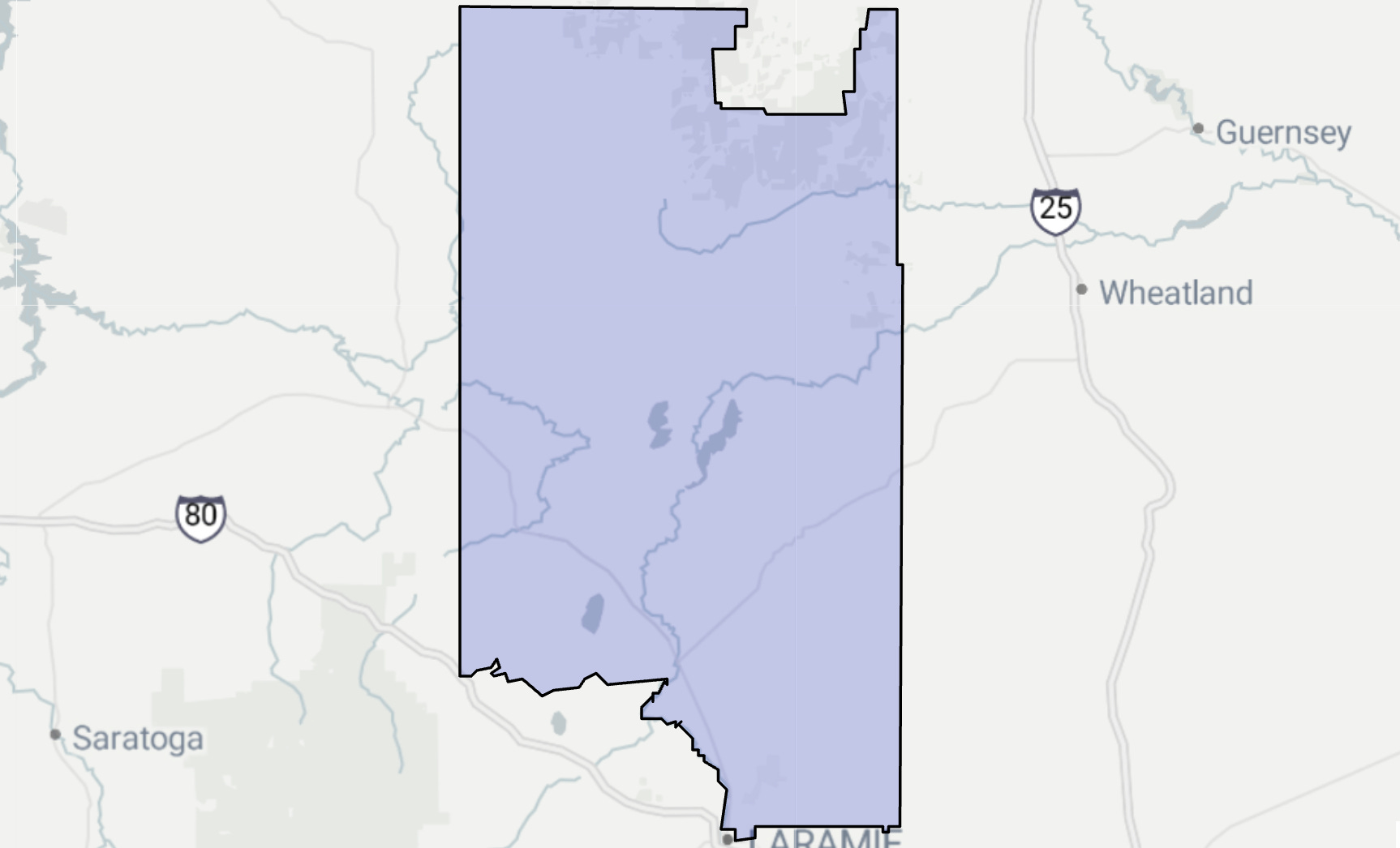
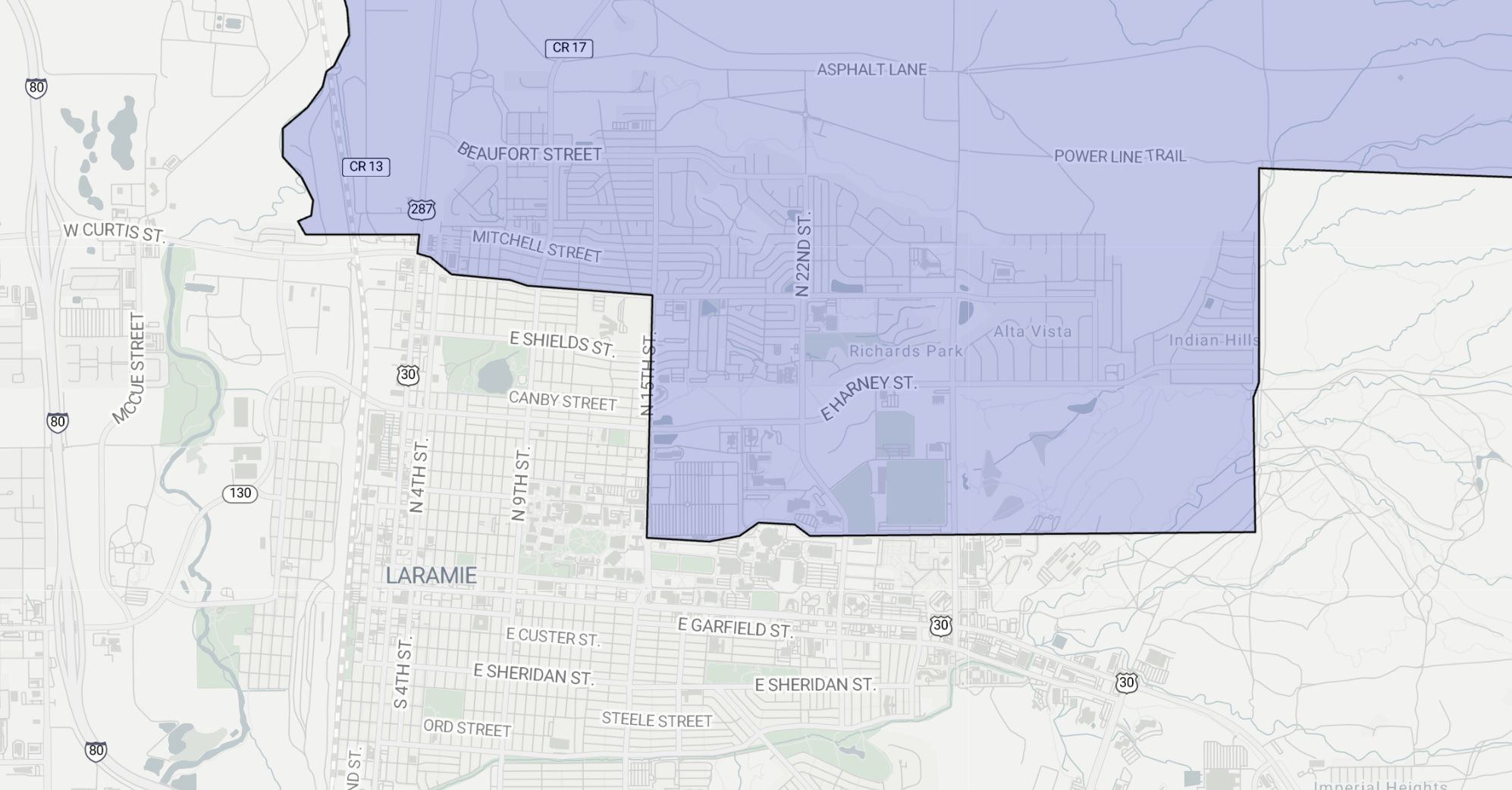
The three-term Democrat hopes to keep representing the conservative, rural house district she calls home. House District 14 encompasses the northernmost neighborhoods in Laramie city limits as well as the town of Rock River, and it extends all the way to the northern county line.
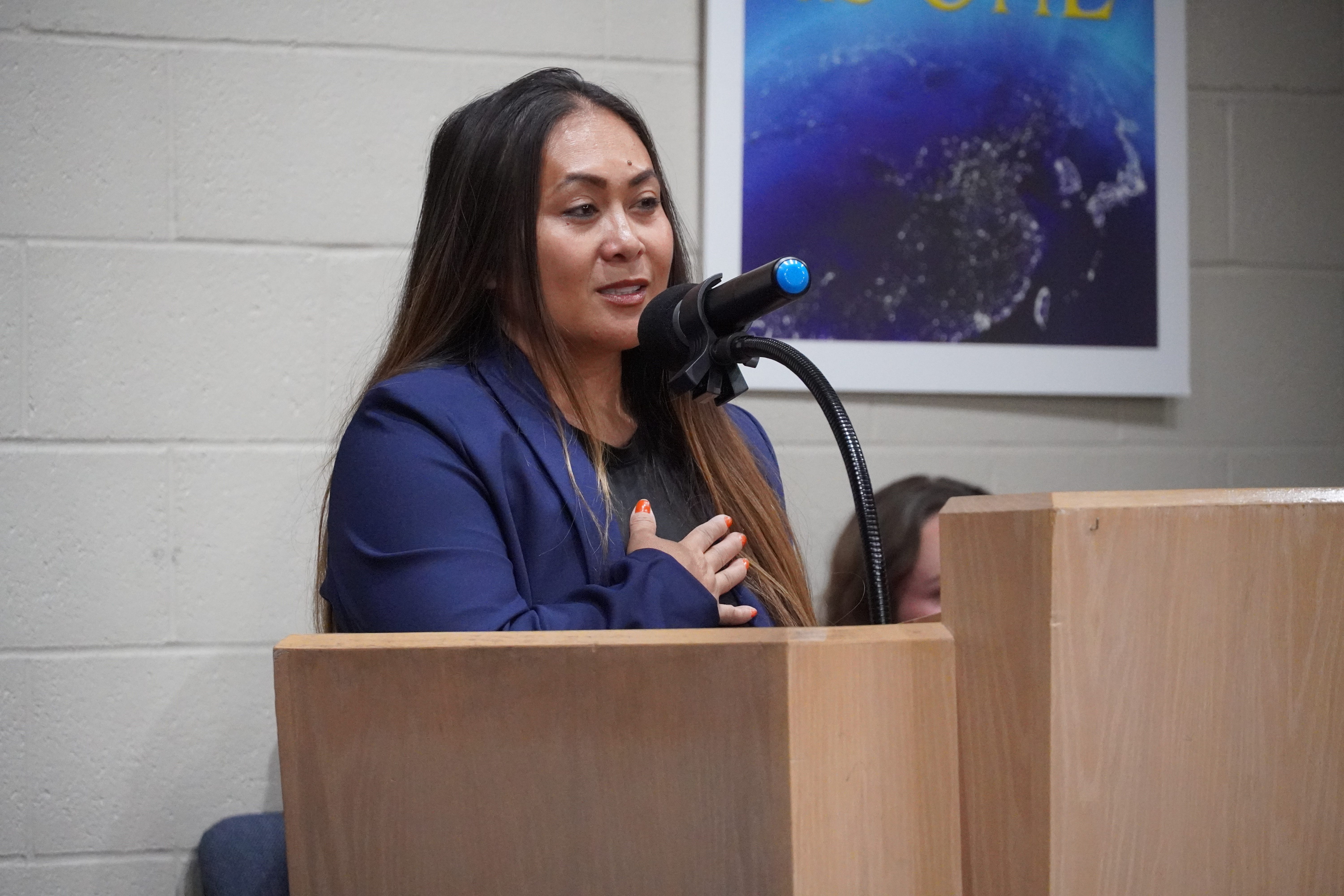
Standing between Sherwood and a fourth term is her Republican challenger, Emily Study, a candidate who has been far more visible and active on the campaign trail than many of Sherwood’s previous contenders.
Study says she will push for “job-ready education, support for veterans, transparent government, and responsible stewardship of Wyoming’s public lands.” The candidate did not respond to interview requests.
Sherwood was first elected in 2020 — the same year her colleague Rep. Karlee Provenza (D-Laramie) won in neighboring House District 45. House 14 is usually Laramie’s most competitive district and Sherwood won by fewer than 100 votes in her first election.
She was reelected in 2022 and again in 2024 by larger margins.
Throughout her time in the legislature, Sherwood has been a reliable vote for Democratic positions — for example, defending abortion rights, opposing book bans, and putting side rails on the elimination of gun-free zones. But Sherwood said she’s principally focused on building coalitions to advance meaningful reforms for the people of Wyoming.
Amid her second term, Sherwood fought for the establishment of a one-room schoolhouse in Garrett, a small ranching community far north of Laramie. Between that and spearheading a successful resolution to reiterate the importance of rural schools, Sherwood has gained many supporters in rural Albany County, most of them lifelong Republicans.

For the last two sessions, the Wyoming Legislature has been dominated by the Freedom Caucus, a right-wing faction within the Republican Party that held an outright majority in the House in 2025 and 2026. This summer, the caucus suffered incredible losses in the GOP primary, as moderate candidates replaced its members in the House and as caucus leaders, many seeking higher offices, were rebuffed.
The results are likely to impact the Joint Appropriations Committee, which was dominated by caucus members and which spearheaded an ideological attack on University of Wyoming funding last session.
Sherwood is a member of that committee, serving as Albany County’s sole representative among its ranks. During the last session, she was one of a few voices pushing back on caucus-led efforts to cut UW, economic development programs, childhood nutrition programs and more.
Sherwood said the 2027 general session will be different.
“I think that there is a lot we can focus on in terms of solving Wyoming problems [by] stepping back from the national rhetoric and realizing what’s important to Wyoming right now,” she said. “What I’ve heard at the door is that people are still concerned and wanting to be reassured that there is stable funding for public education and the University of Wyoming. People still want to see investments in public lands and outdoor recreational opportunities.”
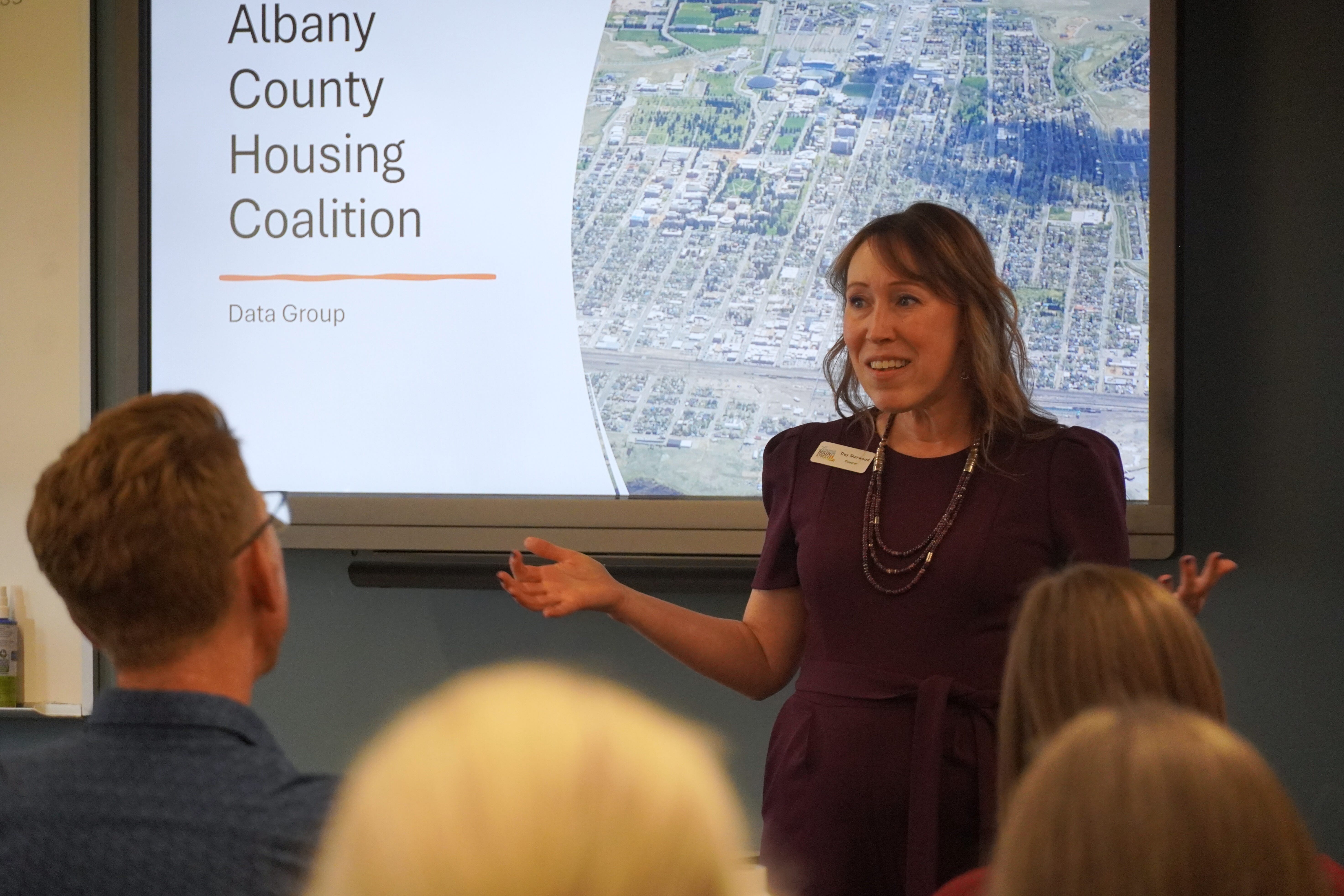
Outside of her work on the judiciary committee, Sherwood has aimed, and often failed, to pass legislation targeting Wyoming’s housing crisis.
During the Freedom Caucus era, housing bills were routinely killed:
In 2025, every piece of affordable housing legislation died. That included one bill Sherwood said the Freedom Caucus has “poisoned” by amending it so severely that it became an anti-affordable housing bill. The Senate refused to consider the legislation on principle, believing it to have been so altered as to violate legislative rules.
In 2026, several housing bills were filed, but only one crossed the finish line: Legislation sponsored by Rep. Lee Filer (R-Cheyenne) setting a 30-day limit for local communities to answer permitting requests. All other legislation geared toward alleviating the state’s housing shortage died.
Sherwood’s five drafted housing bills include a mix of novel efforts and returning legislation that she hopes has a better chance of succeeding with the Freedom Caucus in the minority.
Several of Sherwood’s bills are drawn from recommendations found in the Wyoming Community Development Authority’s Statewide Strategic Housing Action Plan, which was crafted with input from communities across the state and lays out the logic behind its several suggested policies.
Sherwood’s proposed 2027 bills include:
A housing investment fund
This bill would set aside funding for a grants and loans program to support infrastructure projects, such as water, road or sewer buildouts in order to “unlock land for developers to come in and build homes.”
“Wyoming and Mississippi are still the only two states that don’t have an investment fund to support public infrastructure,” Sherwood said. “Historically, municipalities have paid for the infrastructure to support a new housing development, but our municipalities don’t have the financial ability to do that. So I’m proposing that the state come alongside with grants and low-interest loans to get that work done.”
This legislation has been tried before. Sherwood’s original version failed to be introduced in 2025. The following year, Sen. Evie Brennan (R-Cheyenne) brought a scaled back version in Wyoming’s upper chamber that died on a 15-15 vote.
A housing design library option
This bill would allow communities to create a “design library” of pre-approved home plans. Sherwood said this could speed up the development process.
“Right now, when you go to build, you are designing the home, submitting those plans, then your local planning department is reviewing them,” she said. “The concept of having a design library for communities to choose from is that it would standardize the pre-approved housing plans, and it would minimize the permitting process and reduce the upfront development costs.”
Importantly, the bill doesn’t mandate this across the state. Rather, it empowers communities to set up a design library for themselves if they so choose.
“I don’t want it to be top-down,” Sherwood said.
A real estate transfer fee
This bill would introduce a local option to implement a fee paid “when a high-end luxury home changes hands.” Sherwood said this would involve setting a certain community-specific “benchmark.”
“Say anything over $3 million, there’s a fee attached to that that then would generate dedicated revenue streams to support local housing affordability programs,” she said.
Again, Sherwood said the bill would give communities options rather than mandate a statewide solution.
“Instead of having it set at the state level, the legislation would give each community the option to say, ‘Is this a tool we want to use?’” she said. “If no, you set it aside. If yes, there’s a process to implement it that includes public engagement, public feedback, the county commissioners would start that conversation.”
What the local fee actually supports would be up to the local community as well.
“The funding should support local housing affordability programs,” Sherwood said. “So, in some [communities] that might be Habitat [for Humanity], and others that might be helping seniors stay in their homes and do ADA upgrades. I don’t want to dictate what that looks like in each of our communities.”
Abandoned buildings legislation
Sherwood has tentative plans to resurrect a bill that would incentivize property owners to clean up or demolish abandoned buildings. It would work by establishing a new tax credit, so Sherwood said she will only seek to introduce it if “Prop 1” — the People’s Initiative to Limit Property Tax — fails this election.
That initiative would decrease local government coffers significantly and Sherwood said she has no intention of piling on.
“The bill essentially delays how property taxes are collected, and so I don’t want to further impact local resources with that one,” she said.
Similar legislation has failed in previous sessions.
“Blight” language cleanup
This bill would remove the word “blight” from the state’s urban development statute. A seemingly small change compared to the other legislation on Sherwood’s docket, the “blight” fix aims to remove outdated language that has been in state law for decades.
The way the law is currently written, property must be declared “blighted” in order to be eligible for tax increment financing — a financial tool that can be used to kickstart infrastructure buildout or otherwise address aging or lacking infrastructure.
But both the people trying to use these tools, and the people trying to stop their use, hate the word “blight,” and would prefer more accurate descriptors for properties in need of aid. Debate over the word “blight” colored much of a recent local conversation regarding a West Side housing proposal.

“When something is designated as ‘blight,’ that doesn’t feel great because we all love our communities, we all love the places we live,” Sherwood said.
She added the reworked statute could “modernize” the language by focusing on the “insufficient infrastructure” itself.
“Say water lines need repair — that’s more appropriate than pointing to a place and saying ‘blight,’ because that has so many negative connotations,” Sherwood said. “But when you say, ‘Oh, the water system needs replaced’ or, ‘The sewer line needs upgraded’ — I feel like that’s easier to understand.”
The election is Tuesday, Nov. 3. Voting centers are open from 7 a.m.-7 p.m.
This story was made possible by the generosity of our 2026 Election Coverage Sponsors.